
 Donar
Donar
Cuando la frontera te cruza
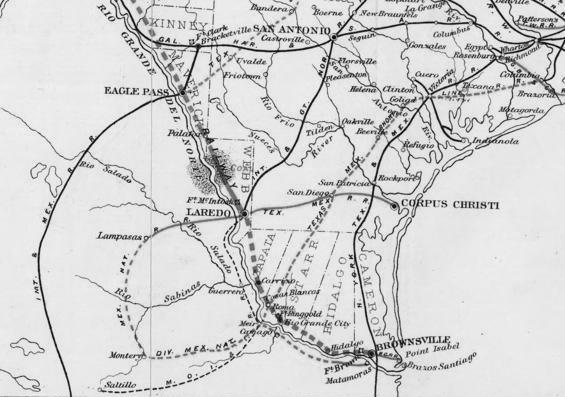
Al repasar la historia, a menudo nos sentimos tentados a juzgar las decisiones que tomaron las personas. Nos convencemos a nosotros mismos de que, de haber estado allí, hubiéramos tomado la decisión correcta. Mientras trabajaba en mi proyecto de fin de carrera sobre el Tratado de Guadalupe-Hidalgo de 1848 (el acuerdo que puso fin a la Guerra entre México y Estados Unidos y permitió a Estados Unidos anexar 55% del territorio mexicano), no dejaba de preguntarme qué hubiera pasado si las cosas hubieran sido diferentes. La historia y los personajes históricos son complejos, y los relatos sobre ellos pueden variar según quién cuente la historia.
Una vez firmado el tratado, las fronteras se desplazaron, la ciudadanía cambió y se prometieron derechos. Lo que parecía sencillo sobre el papel rápidamente se volvió mucho más complicado. Las brillantes promesas de ciudadanía se vieron opacadas por el despojo de tierras, la exclusión política y la violencia. La frontera se había movido para los mexicanos que vivían en el sur de Texas, pero el sentimiento de pertenencia no los había seguido. En su lugar, se enfrentaron a una expropiación generalizada de tierras, la privación del derecho al voto y una reducción a la condición de ciudadanos de segunda clase a medida que se aplicaban códigos sociales rígidos al estilo de Jim Crow.
“¿Y si hubieran contraatacado? ¿Por qué no defendieron sus derechos?”, me pregunté.
Resulta que sí lo hicieron. Una y otra vez. Algunos retaron al sistema en los tribunales. Otros redactaron peticiones que a menudo se quedaban sin respuesta. Algunos documentaron las injusticias para las generaciones futuras. Y unos pocos, como Juan “Cheno” Cortina, creía que la resistencia armada era la única opción que quedaba.
¿Cómo se combate una realidad construida capa sobre capa? ¿Cómo se lucha contra un sistema que ya ha decidido a dónde perteneces? Cuanto más profundizaba en la historia, más difícil se volvía señalar con el dedo.
Juan Cortina nació siendo ciudadano mexicano. No cruzó una frontera: la frontera lo cruzó a él. A medida que los colonos anglosajones obtenían el control político y legal del sur de Texas, las familias mexicanas perdieron tierras, influencia y protección bajo la ley. Tras presenciar reiterados abusos contra los residentes mexicanos, específicamente el latigazo propinado por el mariscal de Brownsville, Robert Shears, a un trabajador de 60 años conocido por la familia de Cortina, este concluyó que el sistema legal ya no ofrecía justicia. En 1859 encabezó una resistencia armada que más tarde se conoció como las Guerras de Cortina. Para muchos mexicoamericanos, se convirtió en un defensor de las personas que no tenían a dónde más acudir.
Tomar medidas no requiere todas las respuestas, y la resistencia puede adoptar muchas formas. No siempre tiene que ser convencional. Nuestras vidas están llenas de recursos que podemos usar para hacer frente a la injusticia. La historia nos recuerda que hacer lo correcto no puede dejarse en manos de otra persona ni para otro momento. Hoy tenemos esa oportunidad.
¿Eres bueno teniendo conversaciones? Quizás seas escritor. ¿Puedes escuchar? ¿Puedes recordar? ¿Tienes talentos o conoces a personas talentosas? Cada habilidad, cada conexión y cada acto de valor pueden marcar la diferencia. Abara cree firmemente en el poder de un enfoque no violento ante la injusticia. No somos impotentes.
Vemos una y otra vez a lo largo de la historia que cuando los intentos pacíficos y legales de obtener derechos y justicia no dan frutos, algunos eligen la violencia sintiendo que han agotado sus opciones. Pero esperamos que podamos forjar un camino diferente, y que la gente sienta que sus voces pueden ser escuchadas y que las realidades pueden transformarse mediante la imaginación y la acción proféticas.
Escrito por Cristhel Mejía, ex participante de Encuentros Fronterizos y personal de Abara