
 Donar
Donar
Idiomas y resiliencia en las zonas fronterizas
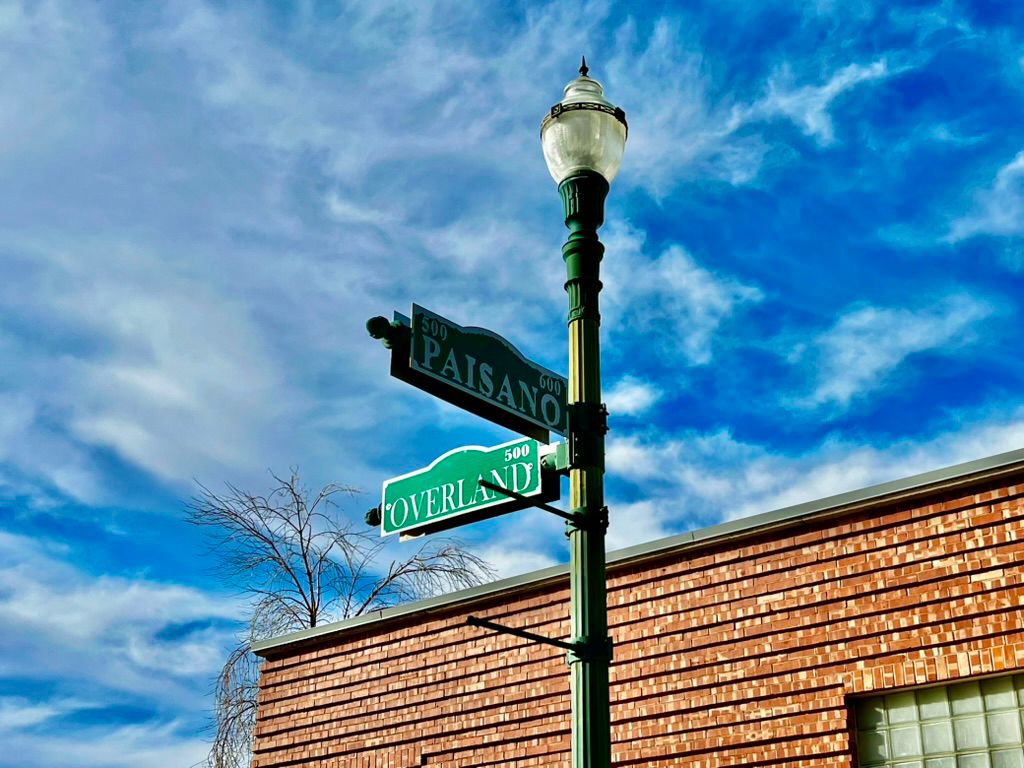
¡En el centro de El Paso, el bilingüismo se nota hasta en las señales de las calles!
Cuando creces en la zona fronteriza, no piensas en las fronteras de la misma manera que lo hacen quienes no son de aquí. El Paso y Juárez forman una gran área metropolitana, por lo que es habitual encontrar una mezcla de identidades, dos culturas que se funden en una sola. Cualquiera que viva en Juárez reconoce la proximidad de El Paso, ya sea que pase tiempo allí o no (y viceversa con los habitantes de El Paso); las características de una ciudad siempre se filtrarán en la identidad de alguien que vive en la otra.
El idioma es una parte importante de esta mezcla cultural; a veces es español con estructura inglesa, otras veces es inglés con ritmo español, y otras veces simplemente sale lo que sale porque así es como habla todo el mundo a tu alrededor, lo que da lugar a dialectos como el spanglish y el caló.
Esta identidad, este lenguaje mestizo, está tan arraigado en nuestra vida cotidiana que solemos no cuestionar lo que ya sabemos. A veces se refleja en algo tan sencillo como las señales de tránsito. Si conduces por la calle Campbell en el centro de El Paso, de repente te encuentras en la avenida Olivas V. Aoy. No te das cuenta de lo profunda que es la historia hasta que alguien te cuenta quién fue Aoy: un maestro que alimentó, vistió y enseñó a niños mexicanos cuando nadie más lo hacía. Y ahí está, oculto a plena vista, un líder comunitario que elevó el español en una época en la que el inglés era el único idioma que se enseñaba en las escuelas.
Hablar español, spanglish o caló es una muestra de resiliencia. Durante años, el sistema educativo de El Paso no ofrecía enseñanza a los niños que no sabían hablar inglés; se castigaba a los niños por hablar español o por utilizar un inglés incorrecto. Esto tuvo repercusiones a lo largo de generaciones, y es por eso que algunas personas fingen no entender tu español, aunque antes las hayas oído hablar español.
No hace tantos años, a mi mamá le preocupaba la violencia armada dirigida contra escuelas y lugares públicos. Me dijo que debía decir que “soy estadounidense” y que debía esforzarme por no tener acento, que no debía hablar español.
Los niños bromean diciendo que son “no sabo” (una forma de referirse a las personas hispanas o latinas que no hablan bien español), sin darse cuenta de que, en algún momento de su linaje familiar, alguien se vio obligado a dejar de lado su español para que sus hijos no fueran maltratados. Sus experiencias son el resultado de un trauma intergeneracional; su mera existencia es un acto de resiliencia.
Vivir en El Paso significa vivir en ese espacio intermedio, donde no eres del todo una cosa ni del todo la otra, pero de alguna manera eres más gracias a ello. El Paso y Juárez crean un lugar donde puedo cambiar de idioma y seguir siendo entendida… Donde no hace falta coherencia para entenderse. Puedo decir “parkeate” a mis amigos angloparlantes, y ellos saben que les estoy pidiendo que se estacionen. El idioma es supervivencia, orgullo, memoria e identidad, todo entrelazado. Es la forma en que las familias se mantienen conectadas, la forma en que se transmiten las historias, la forma en que nos reconocemos entre la multitud.
Escrito por: Luna S. Palacios, becaria del programa Loretto Justice, Abara