
 Donate
We Live Amongst Worlds
By Monica Bhardawaj, Grants and Development, Abara
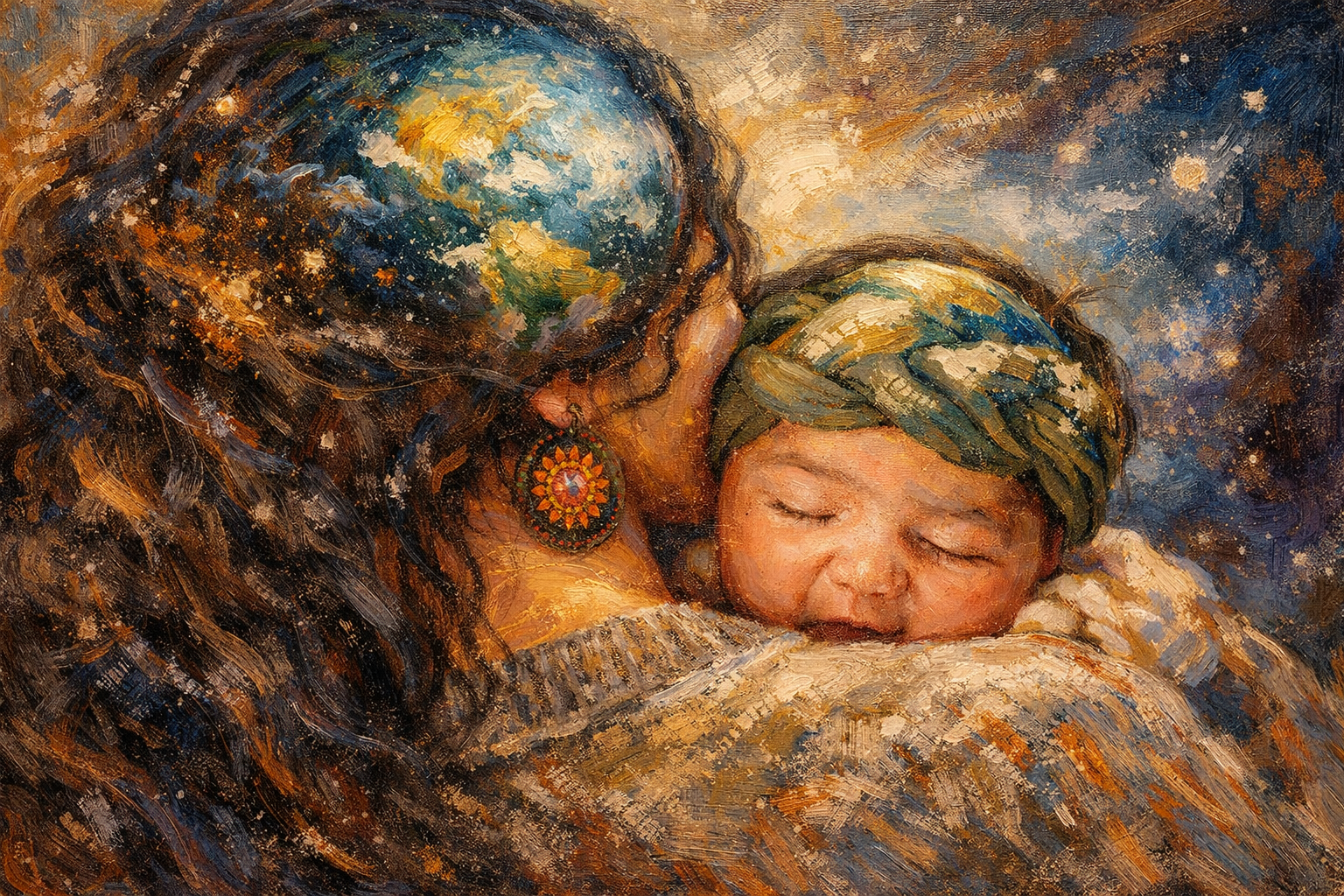
There’s a reflection in the Talmud[1]: “Whoever destroys a life, it is as if they destroyed an entire world; and whoever saves a life, it is as if they saved an entire world.”
I come back to this often. And year after year, the implications grow deeper. Each one of us is irreplaceable. An entire world. And we are so wonderfully and heartbreakingly interconnected. To destroy one world is to ripple through and destroy all the worlds who loved that world too. Have you ever heard the screams of a mother losing her baby? The guttural sobs of a father losing his child? Why do so many grown adults cry out “mama” with their final breath?
We live amongst worlds. And so I cannot understand why we are so intent on hatred, or perhaps worse, apathy. We are somehow so unmoved by the suffering of others that we can watch a whole world get extinguished with our own eyes, and callously respond: “He shouldn’t have been there”. A whole, beautiful, irreplaceable world.
Our indifference is not the problem, but a symptom. Anger and indifference are more tolerable than grief. Refusing to explore the deeper wells of sadness beneath might preserve our superficial peace, but it dims our humanity in the process.
If we are to silence our aching hearts, we must untangle the threads of community and belonging that bind us together. We must siphon off into groups according to the far more shallow things we have in common: our religion, our race, our class. We must tell our mind we are not seeing what we see with our own two eyes. We must tell our spirit we are not feeling what we feel within our own hurting heart. We must tell our interconnected souls that we are not one.
But our aching hearts are not meant to be silenced. Grief transcends religion and race and class. It trembles through our body and reminds us with each wave of longing, that to be human is to love deeply and widely. To be human is to be a whole, beautiful, irreplaceable world. To be human is to see a whole, beautiful, irreplaceable world in one another. And when we grieve a stranger, we remind ourselves that we belong to a Beloved Community. Bound together by our shared humanity. One world among many.
[1] The Talmud is a foundational collection of Jewish teachings, legal discussions, and ethical reflections that guide Jewish life and moral reasoning.